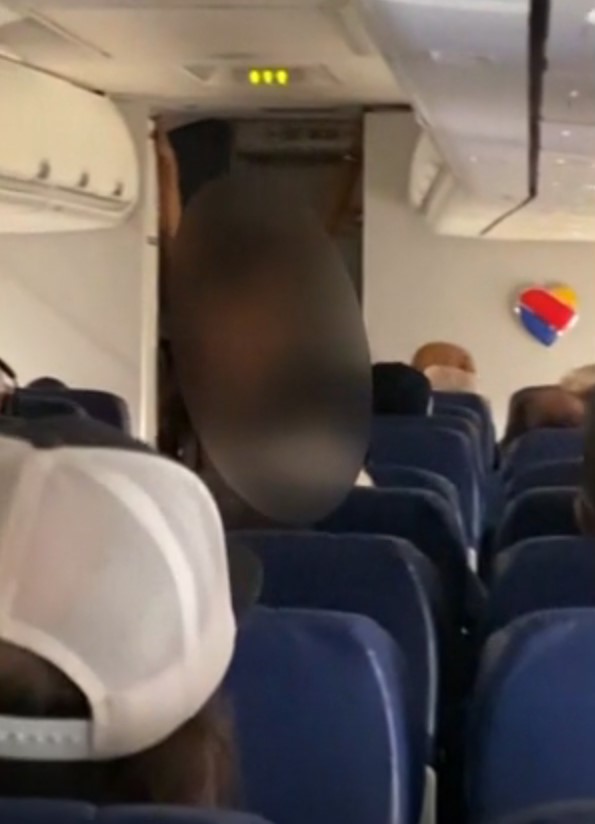
This girl was caught in mid-flight disrupted the flight from Houston to Phoenix as it taxied down the runway
When a Southwest Airlines flight from Houston to Phoenix was delayed after a passenger caused a serious disturbance shortly before takeoff, the immediate headlines focused on the disruption itself. Yet beneath the surface of the incident lies a broader conversation about mental health, public spaces, and how modern society responds when private psychological crises unfold in very public settings.
The aircraft had begun taxiing when the woman stood up, moved toward the front of the cabin, and began shouting. Within minutes, the flight was forced to return to the gate, law enforcement was called, and passengers were left processing an experience that many later described as frightening and deeply uncomfortable. No criminal charges were filed, and the woman was transported to a medical facility for evaluation
While such events are relatively rare, they raise important questions that go far beyond airline safety protocols. Why do moments of psychological distress become so destabilizing in enclosed public environments like airplanes? And how should institutions balance accountability, compassion, and public safety when mental health appears to be at the center of a disruptive incident?
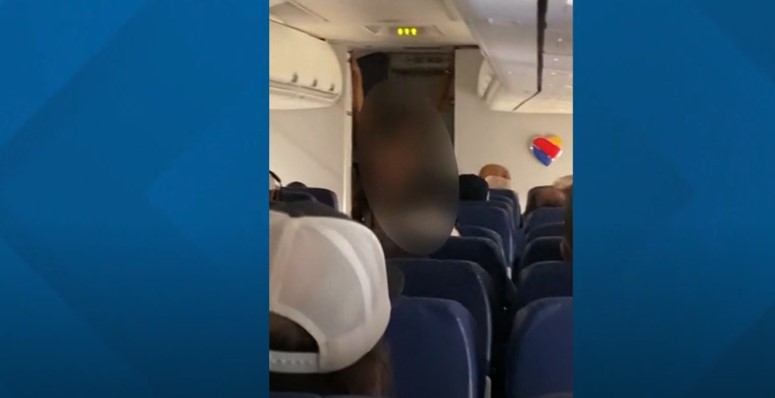
This heightened sensitivity helps explain why witnesses described the situation as alarming even before it escalated further. From a psychological perspective, the fear response was not simply about what the woman was doing, but about where it was happening and the perceived lack of control over the outcome.
For the individual at the center of the incident, the experience likely looked very different. Mental health professionals note that acute psychological episodes can involve disorientation, impaired judgment, and an overwhelming need to escape perceived threats. In these moments, behavior that appears irrational or disruptive to others may feel entirely logical to the person experiencing the crisis.
Reports from passengers indicated that the woman expressed a desire to leave the flight and mentioned a mental health condition. While such statements alone cannot explain her actions, they align with patterns seen in episodes of severe emotional distress, where individuals feel trapped or overstimulated and respond with extreme behaviors.